
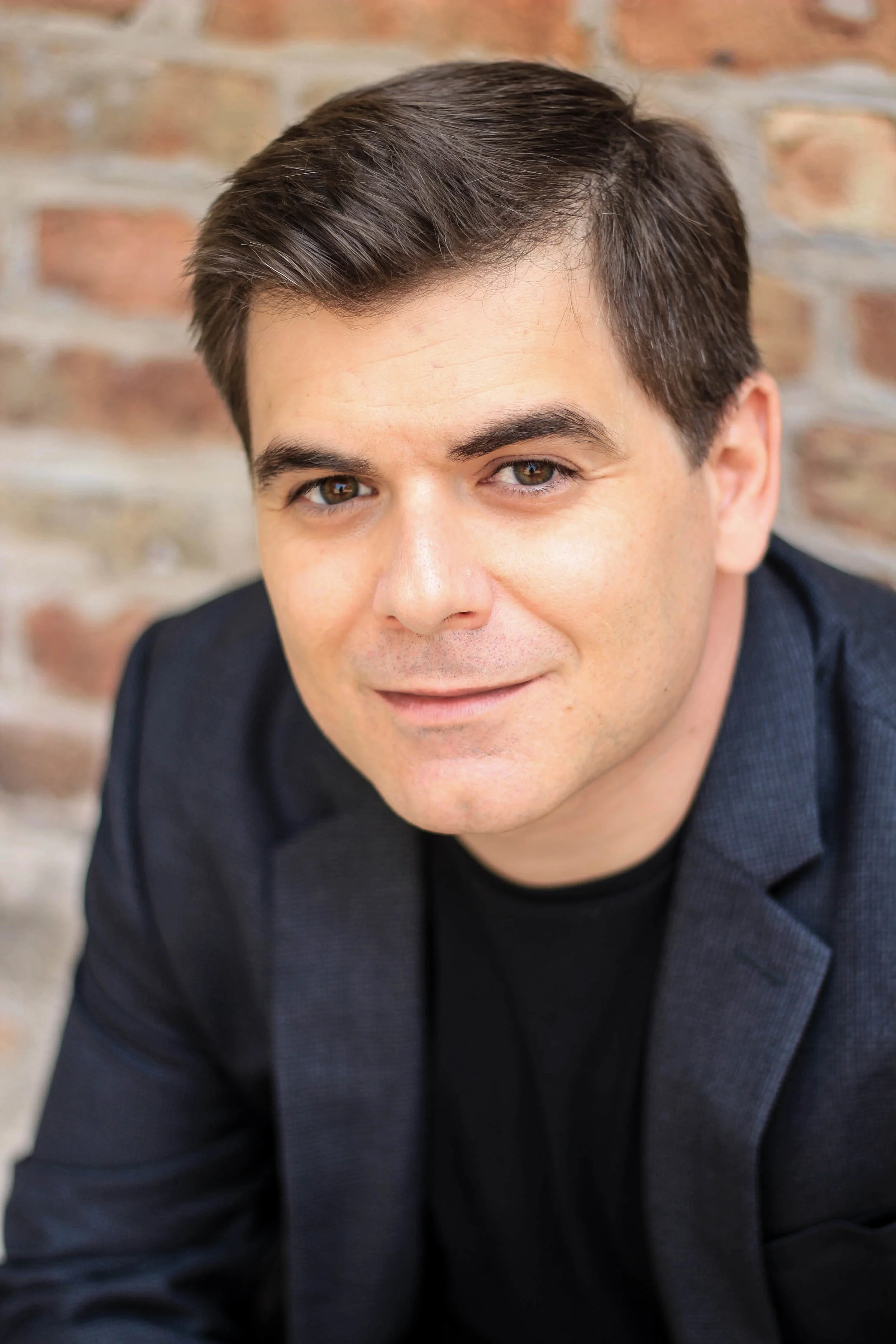
Photo: Micah Gleason
Music is history made audible. Every musical work carries within it a world of stories, memory, and imagination. Through performance, scholarship, and artistic creation, pianist Javier Arrebola brings music into dialogue with literature, history, and the arts, inviting audiences to explore the enduring questions that have shaped our shared humanity across time.
A distinctive presence in the world of art song and chamber music, Arrebola is a frequent guest at Carnegie Hall’s SongStudio, the Tanglewood Music Center, The Juilliard School, New England Conservatory, SongFest, Bard College, Shanghai Conservatory, and other leading institutions in North America, Europe, and Asia. His leadership roles have included Artistic Associate and Artistic Advisor at Carnegie Hall’s SongStudio, Co-Artistic Director and Director of the Piano Program at SongFest, Head of Piano for the Program for Singers at Ravinia’s Steans Music Institute, Chair of Collaborative Piano at Boston University, and Visiting Professor at Indiana University’s Jacobs School of Music.
Beyond performance and teaching, Arrebola develops creative projects that connect music, storytelling, and visual media. Among many other projects, he served as video editor and illustrator for Wigmore Hall’s Schubert in Life & Song, a landmark series by Graham Johnson, and as creator and curator of SongFest’s Songs of Unity & Hope, a global online celebration bringing together artists from more than 60 countries and performances in over 40 languages.
Fluent in Spanish and English, with working knowledge of German, French, Italian, Swedish, and Finnish, Arrebola’s artistic work is shaped by a lifelong engagement with language and culture. He approaches repertoire as a living dialogue between sound, text, history, and human experience.
He holds both a Doctor of Musical Arts and a Master’s degree in Piano Performance from the Sibelius Academy in Helsinki, as well as degrees in Piano Performance and Chamber Music from the Madrid Royal Conservatory. His doctoral work combined performances of all of Schubert’s completed piano sonatas — presented alongside selected songs and chamber works on historical fortepianos and modern instruments — with a written thesis on The Unfinished Piano Sonatas of Franz Schubert.